
Stop Spending Your Energy on Things That Don't Deserve It
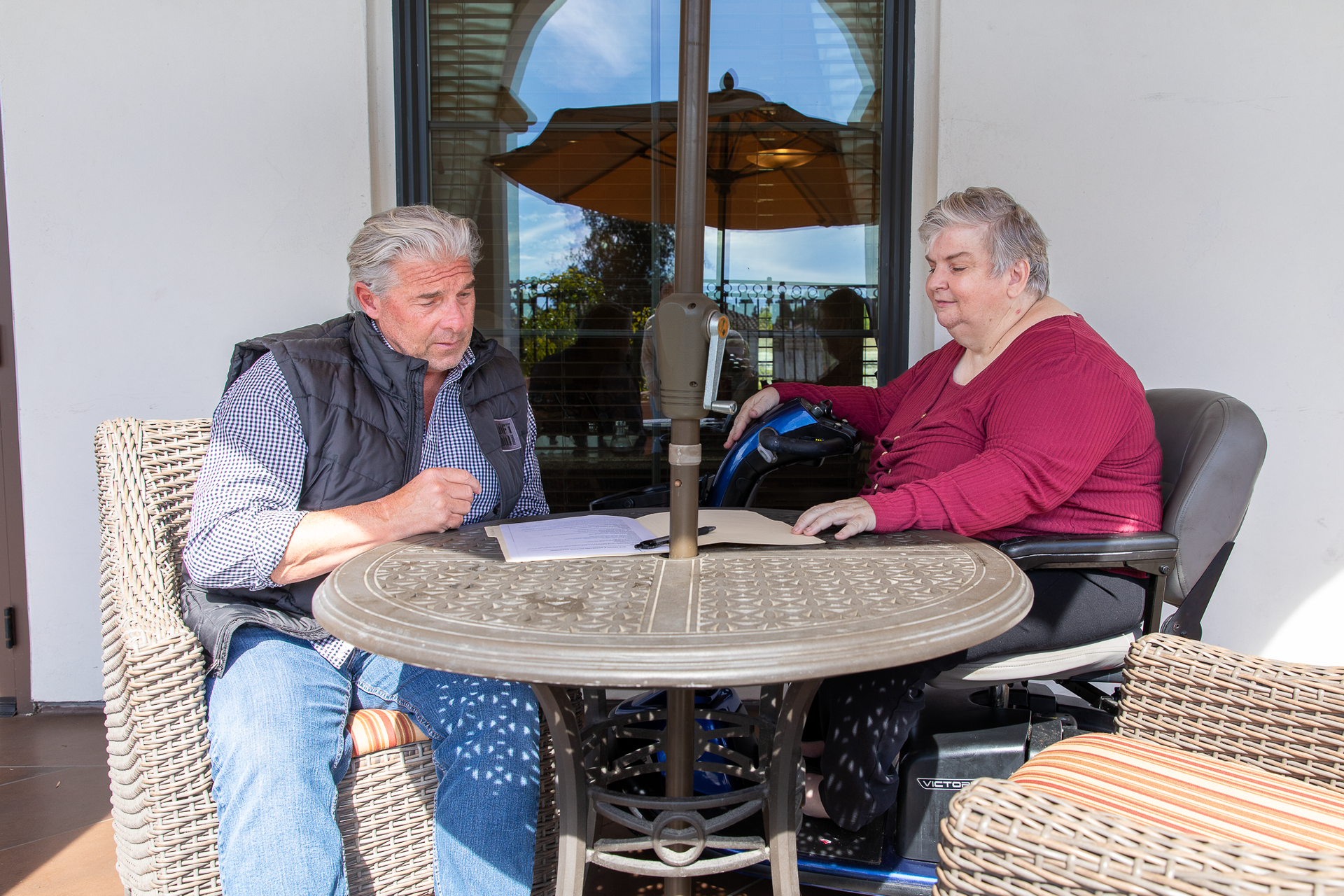
If you are a leader with a disability, then you already know this truth better than most: Energy is a resource. And like any resource, it can run out.
In the disability and chronic illness communities, this is often referred to as the Spoon Theory. The idea is simple: You start each day with a limited number of "spoons," and every task, every challenge, every stressor costs you one spoon. Some days you start with fewer spoons, while other days you have a lot of spoons. Either way, once the spoons are gone, so is your energy.
The Small Stuff Adds Up
It's hardly ever just one thing that drains us. It’s often the build-up of the ableist comment you’re still replaying three days later, or a person asking you to explain your disability for the fifth time this month. Some days, you may have fewer spoons due to pain or other symptoms that accompany your disability. Or everyday tasks may simply take you a bit longer than usual.
None of this is debilitating on its own, but it can chip away at our energy, especially when your body and mind already ask more of you than the average.
You Get to Decide What Gets Your Energy
You don't have to engage with everything that comes your way. Someone asks a personal question? You don't owe them an answer. Or if a situation feels draining and you can’t think of any immediate positive benefits that it provides, you’re allowed to step away.
By curtailing the energy you use on things that diminish you, you’ll wind up with more energy for tasks and situations that bring your joy and meaning.
Focus on What Fuels You
When I’m running low on energy, I like to think of the things that light me up, like my work as a leader and advocate. To me, these are the things that are worth protecting, as that’s where most of my energy comes from.
A Few Ways to Protect Your Spoons
- Identify what drains you and be honest about why it depletes you
- Figure out what ignites you. What fills you back up? Let that guide your decisions
- Practice saying no. You don’t owe anyone an explanation. If an event or task will take away your energy and doesn’t provide you with benefits in exchange, you can decline to participate.
- Educate only when you want to. You can be a leader, but that doesn't mean you're in charge of explaining your disability to everyone who asks a question. And in particular, there’s no need for you to explain yourself to people who aren’t truly listening and engaging in a caring and supportive way.
Having limited energy doesn’t mean living a limited life. I live a very fulfilling life, but it’s all about being smarter about how you direct your energy. Your job is to protect enough of yourself to show up fully for what matters.
Spend your spoons wisely.